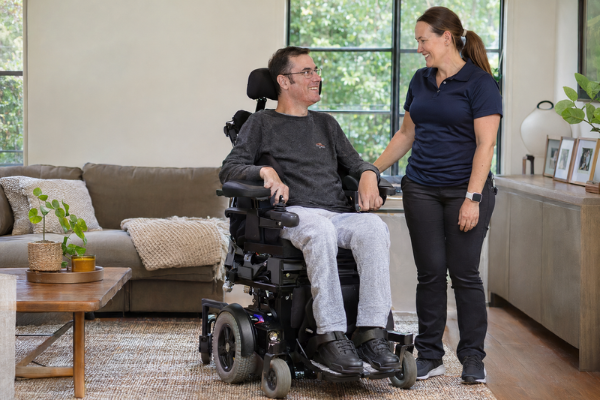
This online course supports support workers to build the knowledge and practical skills needed to maintain skin integrity and prevent pressure injuries in the people they support. The course explores the structure and functions of the skin, why intact skin matters, and the intrinsic and extrinsic factors that increase the risk of skin breakdown. Participants learn how pressure, shear, friction and moisture damage the skin, how to recognise the stages of pressure injury, and how assessment tools guide each person’s care plan. The course also covers practical prevention strategies, including skin checks, repositioning, nutrition, equipment and safe moving techniques, alongside duty of care, scope of practice and infection control. This enables workers to recognise and report skin changes early, prevent avoidable harm and support the comfort, dignity and quality of life of the people they care for. Read more
Content
Price


Develop essential skills in stoma care with this course designed for disability support workers. Gain an understanding of the basic anatomy and physiology of the elimination system, as well as the different types of intestinal stomas and urostomies. The course covers comprehensive stoma care, including infection control, understanding ostomy systems, and managing the risks associated with stomas. You'll also learn the importance of monitoring and reporting changes, along with the legal considerations necessary to ensure safe and effective care. Equip yourself with the knowledge and confidence to provide high-quality support to individuals with stomas. Read more
Content
Price

This comprehensive Subcutaneous Injections course is designed to equip disability support workers with the essential skills to administer subcutaneous medications safely and effectively. The course covers common conditions requiring subcutaneous medications, techniques and equipment, and crucial aspects of risk management and safe injection practices. You'll also learn about infection control specific to injections, medication checking, and recording requirements. Additionally, the course addresses how to monitor for adverse effects, overdose, and withdrawal, ensuring you can provide safe and compliant care to individuals requiring subcutaneous injections. Read more
Content
Price

This course provides disability support workers with comprehensive training in managing diabetes and administering subcutaneous injections safely. Participants will learn about subcutaneous techniques, risk management, and infection control in the context of injections. The course also covers the physiology of diabetes mellitus, the roles of insulin and glucagon, and the differences between Type I and Type II diabetes. Key topics include managing hyperglycaemia and hypoglycaemia, understanding diabetic neuropathy, and effective planning and management strategies. Gain the skills and confidence to provide safe and effective support for individuals living with diabetes. Read more
Content
Price

This online course supports disability support workers to build the knowledge and practical skills needed to promote supported decision making for people with disability. The course explores supported decision making as a person-centred approach that recognises every individual's right to make decisions about their own life, regardless of disability. Rather than making decisions on behalf of participants, support workers are guided to provide the assistance needed for people to understand information, consider their options, communicate their wishes and make informed choices. The course examines the principles of supported decision making under the NDIS and explains how support workers can promote choice, control, dignity and independence while balancing duty of care, enabling them to support participants to exercise autonomy and self-determination in their everyday lives. Read more
Content
Price

The online course is designed for aged care and disability support workers who want to build confidence in supporting people with Huntington’s disease. This course explains Huntington’s disease in clear, plain language and explores how it affects movement, thinking, emotions and behaviour over time. Learners will gain a strong understanding of common challenges faced by individuals and families, effective communication strategies, behaviour support approaches and red flags that require reporting. With a strong focus on person-centred, ethical and dignity-based care, this course equips support workers with realistic strategies they can apply immediately in day-to-day practice across aged care, disability and community settings. Read more
Content
Price
Shopping cart
Your cart is empty